Information
Where do I park?
How do mobile tickets work?
What can I bring inside?
Louisiana Tech digital experience
The same questions kept reaching the ticket office.
The useful moment came when I stopped hearing each call as a separate request.
Fans were calling because the answer was buried, split across pages, or written for someone who already understood our process. I could have added another FAQ. That would have given us more words without making the path clearer.
Instead, I started with what the fan was trying to do: plan a visit, manage a ticket, get into the venue. I grouped information around those decisions and rebuilt Ticket Central and the Fan Help Center as routes through game day—not storage for policies.
The pages became quieter. Internal language gave way to plain language. The next step moved closer to the moment someone needed it—often a family solving one last question before leaving home.
Better information is part of the experience.
Evidence
The first surprise
The number was right. The question was wrong.
“Unused” was hiding several different stories.
Compare tickets distributed with tickets scanned and a clean gap appears. But a sponsor allocation, a broker-held seat, and a season-ticket holder missing one game all land inside it. They share a total, not a cause.
I chose to break the number apart. The result was less tidy and more useful. Sponsor use, broker strategy, and ticket-holder behavior could finally have separate conversations.
The surprise was not that the data changed. It did not. Separating the accounts changed what the data allowed us to ask—and what we could do next.
A clean number can hide a messy decision.
Systems
Football reporting
A weekly report should not have to be rebuilt every week.
The report was useful. Producing it had quietly become a second job.
My first thought was automation. That was too early.
I decided to map the steps before changing them. Some protected the report. Others survived only because the file had grown around them. Automating both would have made the same complicated process run faster.
Only then did I use formulas and scripts for the predictable work. The result was not a new dashboard. It was a calmer week, fewer places for mistakes to hide, and more time to read the report.
A good system removes repetition without removing judgment.
- Collect numbers from several places
- Clean and reconcile the files
- Rebuild the same comparisons
- Check that nothing moved
Writing down the repeated steps made the real problem visible before I tried to automate it.

Participation
Student experience
A ticket can get someone inside. It cannot make them belong.
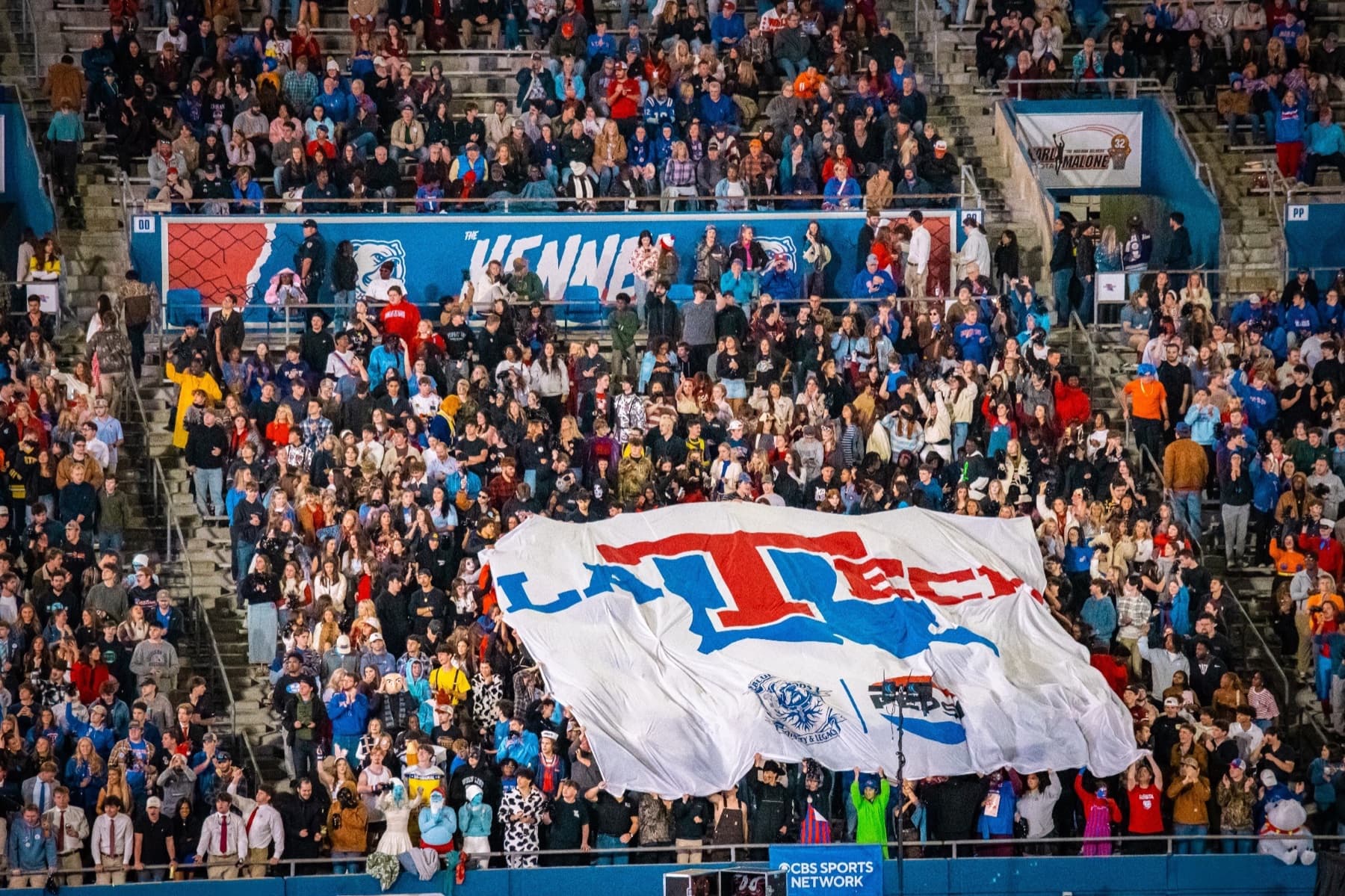
I kept returning to a memory from college: The Blue lasted because people found a role inside it.
The paint and traditions got attention. What made people return was simpler. They knew where to stand, who would notice them, and how they could become part of the group.
That changed my question from “How do we get students inside?” to “What gives them a reason to come back?” I approached student tickets and Your Tech Journey as invitations: make the first visit less uncertain, offer something recognizable to join, then leave room for students to carry it forward.
A filled section is easy to see. A student deciding it feels like their section is harder to measure—and more important.
Participation begins when people can see a role for themselves.